How grants work
The 90/10 Veterinary Grant Lifecycle
How donations and micro-grants turn into verified veterinary surgeries and emergency care across rural Cattaraugus County.
From request to reimbursed surgery
-
Colony Assessment & Intake
A rural property owner, barn caretaker, or neighborhood volunteer identifies unfixed cats. They submit a brief grant request detailing colony count, location, and feeding routines.
-
Direct Clinic Voucher Issuance
We approve and transmit a named surgical voucher directly to one of our licensed participating veterinary partners in Olean, Salamanca, or surrounding towns. No cash is ever handed out.
-
TNR Surgery, Vaccination & Ear-Tipping
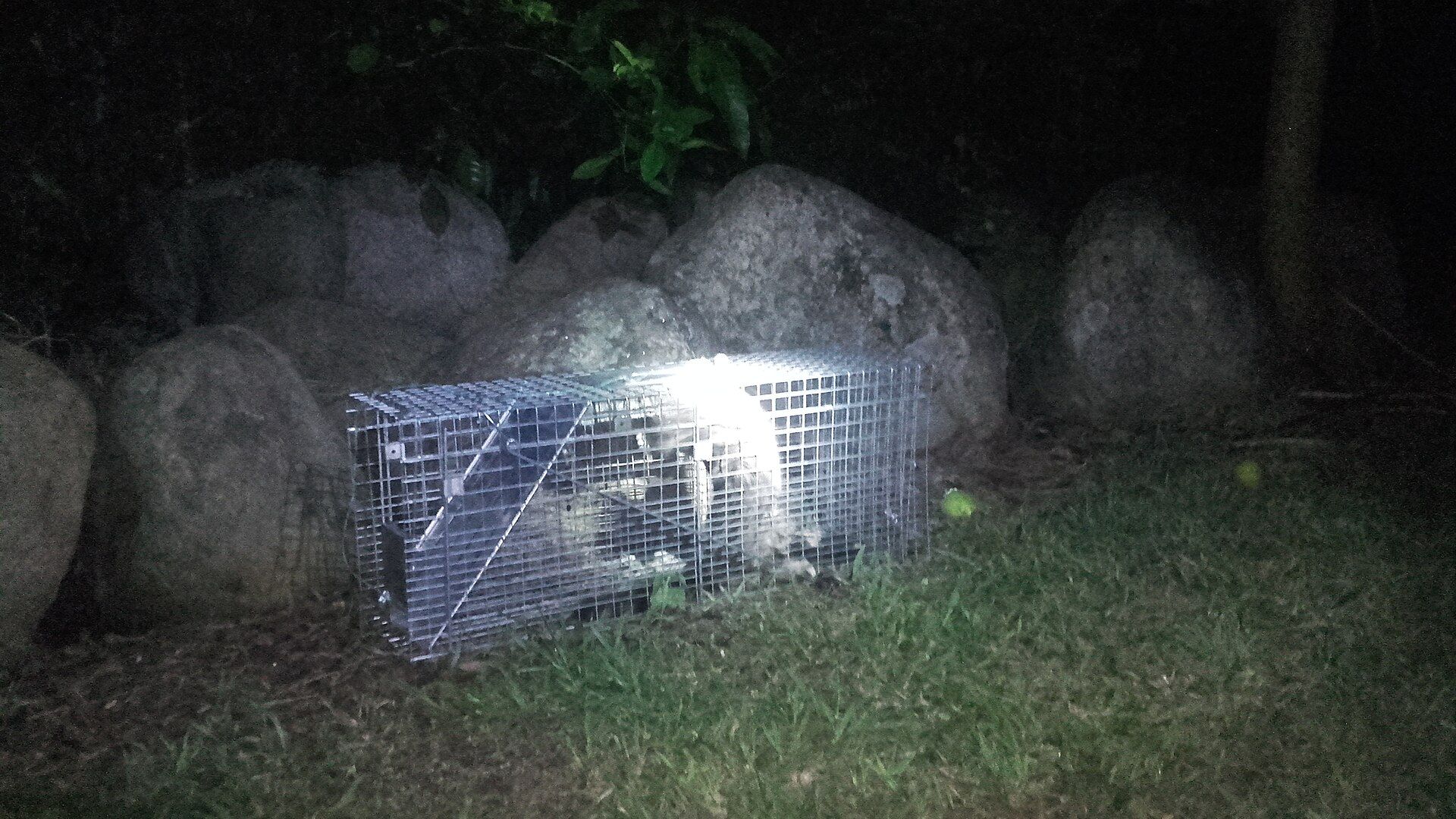
Cats are trapped humanely, transported, and receive surgical sterilization, rabies & distemper vaccinations, parasite treatment, and a universal left ear-tip.
-
Direct Clinic Reimbursement
The clinic submits itemized surgical invoices directly to our fund. We pay them from the 90% direct-grant pool, so every dollar stays auditable.

Where every dollar goes
Every contribution is split the same way, whether it is a $5 triage pack or a $100 colony grant.
| Licensed surgery & medicine | $45.00 |
|---|---|
| Traps & dispatch gas | $5.00 |
| Total | $50.00 |
IRS Section 501(c)(3). Grant contributions are fully tax-deductible.